Journal · Sculpture
Vanesa Muñoz: Sculpting Logic from Chaos
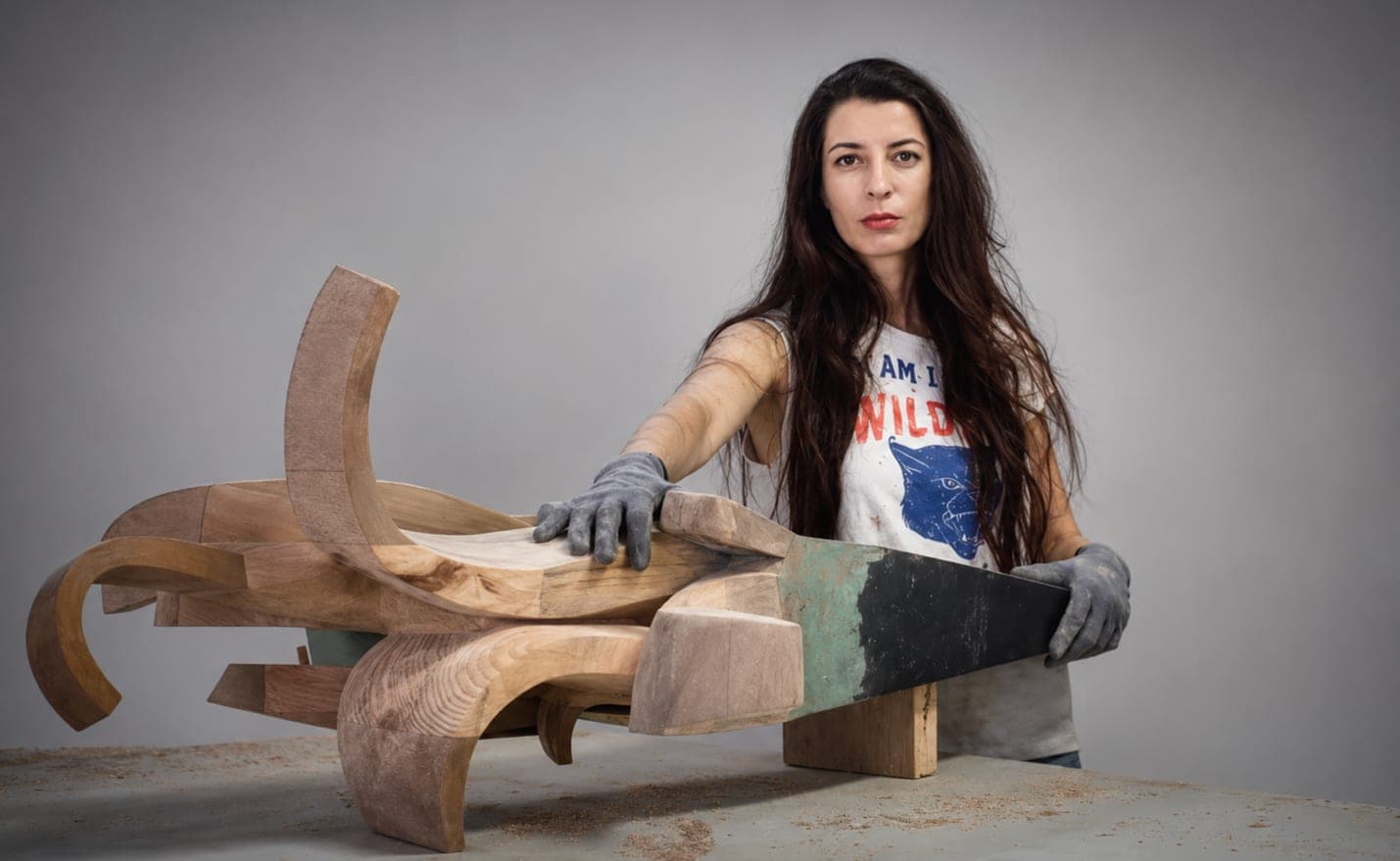
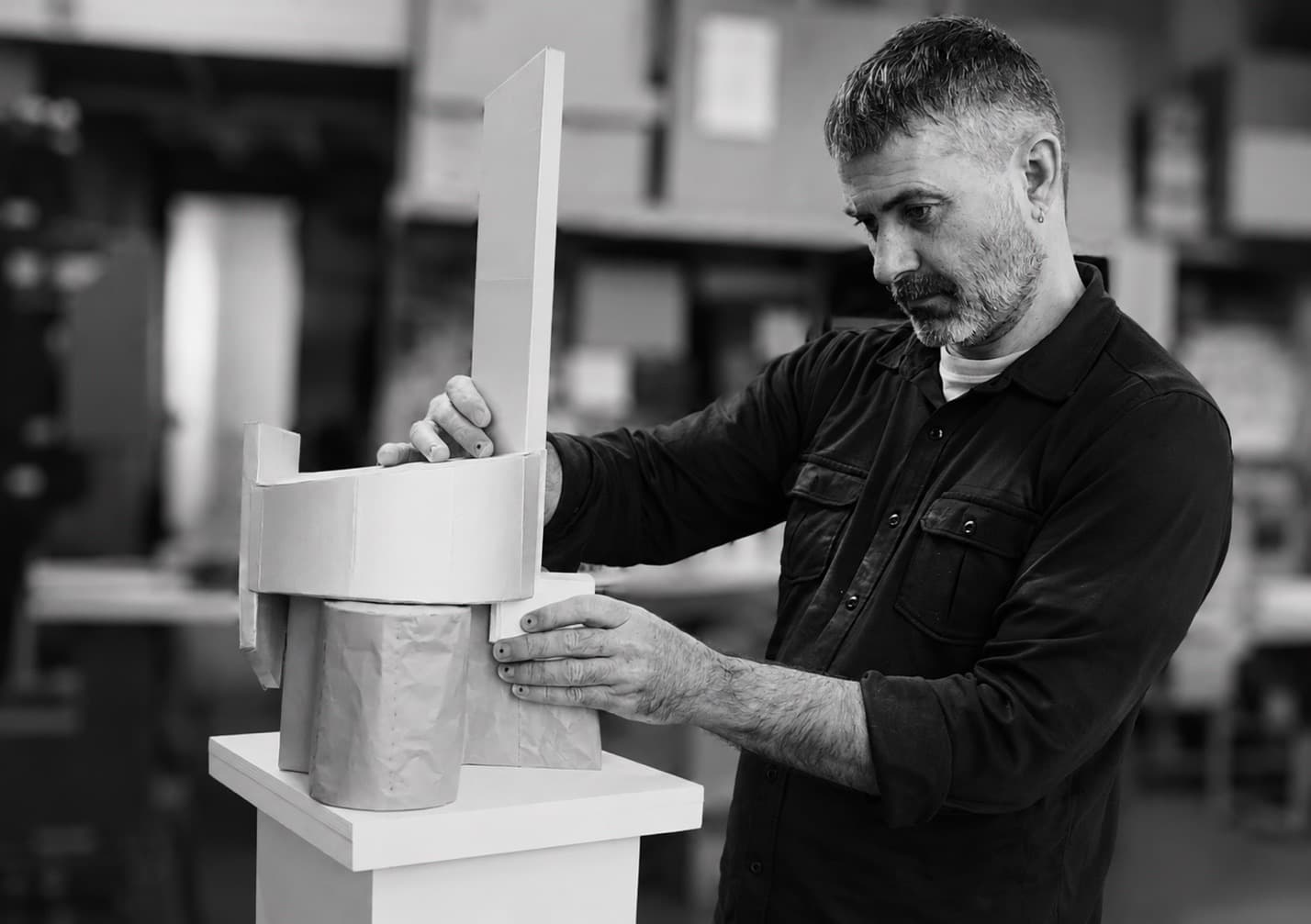
Vanesa Muñoz is an abstract sculptor whose work serves as a profound translation of an incomprehensible world. Driven by a personal obsession, Muñoz's art is born from the need to mutate the chaos of her environment into an aesthetic order, finding a sense of coherence and safety within the walls of her studio that she often finds lacking in the outside world.
A Sculptor of Concepts, Not Just Forms
Rather than focusing purely on physical shapes, Muñoz considers herself a "sculptor of concepts". Her medium is as diverse as her thoughts, utilizing everything from electrical cables and wood to glass and plastic. To Muñoz, no material is arbitrary; each carries an inherent emotional power and serves as a vital piece of a larger vocabulary used to reveal what typically goes unnoticed.
Interestingly, Muñoz finds that she expresses herself much better through information than through raw emotion. Because of this, she leans heavily on metaphors drawn from mathematics, philosophy, and physics to structure and make sense of her surroundings. Within her workshop, everything follows a strict logic, allowing her to process a world that can sometimes feel hostile.
The Barcelona Revelation
Muñoz's artistic evolution was catalyzed by a geographic and cultural shift. Originally trained in metal sculpture in Madrid, where the artistic environment was much more traditional and focused on figurative art, she moved to Barcelona in 2000. She quickly fell in love with the city's contemporary atmosphere, accessibility, seaside environment, and closely-knit artist community.
In Barcelona, she continued her studies at La Massana and pursued a degree in philosophy. A major turning point in her formal treatment of materials occurred when she discovered the Mies van der Rohe Pavilion, which she describes as a "revelation". This move allowed her to break away from her closed-off artistic upbringing, experiment playfully with new materials, and transition into pure abstraction, ultimately expanding her horizons to a much more international and contemporary stage.
The Radical Power of the "Useless"
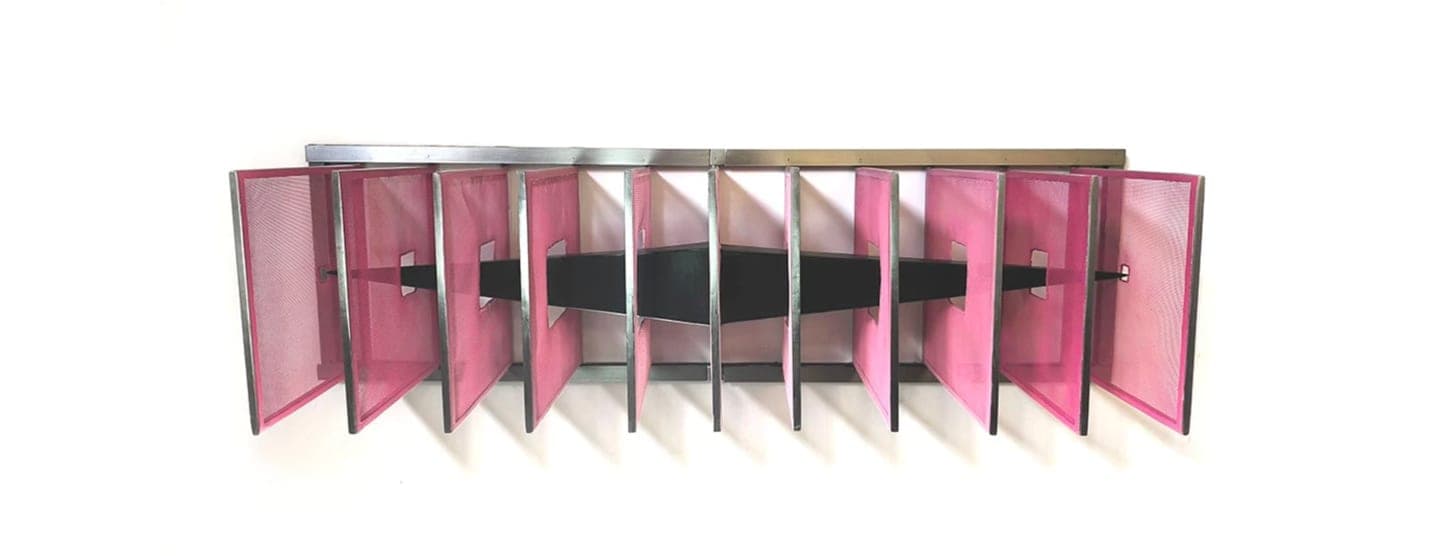
In what she describes as a utilitarian and ableist society, Muñoz views her artistic practice as an act of defiance — a way to work "terroristically" through the creation of the "useless". She firmly believes that the human soul can only be truly nourished by non-utilitarian pursuits like theater, poetry, and art. Paraphrasing the poet Théophile Gautier, she notes that everything practical is inherently ugly, whereas beauty — which lacks practicality — contains both truth and courage.
Creation as a Catalyst for Change
When it comes to the impact of her profession, Muñoz is remarkably grounded. She argues that expecting art to change the world places too much responsibility on the medium itself. However, she insists that the act of creation undeniably changes people.
For Muñoz, the deep concentration required to create something out of nothing has a profoundly therapeutic effect. It is not the art that changes the world, but rather the individuals transformed by the act of creation who will ultimately go on to build a better society. As a final thought, she extends a universal invitation: she hopes everyone allows themselves the opportunity to create — be it a painting, a photograph, or even a dish — just to experience the power of bringing something entirely new into existence.
Keep reading
Related Articles
“Three free open calls for artists in Barcelona — photography and visual arts grants worth over 15,000 € — with deadlines from 31 August to 30 September 2026.”
“Barcelona sculptor Samuel Salcedo on trading canvas for iron and concrete, the memory held in rust, and why getting 'lost a little bit everywhere' is his creative method.”
“French sculptor Marc Sparfel on how Barcelona's discarded street furniture sparked his reinvention — from tribal-inspired wooden masks to abstract 'architectonical landscapes' built on pure energy and intuition.”
